Telemarketing violations in Washington, from ignoring "Do Not Call" lists to fraud, are addressed by stringent state laws enforced by the Attorney General's Office. Consumers can protect themselves by reporting unauthorized calls, gathering details like caller ID and conversation records, and submitting reports online or to local law enforcement. Do not call lawyers Washington guide residents through this process, helping ensure compliance and penalize violators facing fines. Citizen reporting reduces consumer complaints, aiding regulators in targeting persistent offenders and shaping ethical telemarketing practices.
In today’s digital age, telemarketing practices have evolved, often intruding upon personal and professional spaces. Washington state residents face unique challenges with unwanted calls, leaving many questioning their rights and options. Understanding the benefits of reporting these violations is a powerful step towards reclaiming control over one’s communication. This article aims to demystify the process, highlighting the positive impacts on individuals and communities. By exploring the existing laws and the role of regulatory bodies in Washington, we empower folks to take action against nuisance calls without resorting to Do Not Call lawyers.
Recognizing Telemarketing Violations in Washington
Recognizing telemarketing violations is a crucial step in protecting consumers’ rights in Washington. The state has stringent laws in place to safeguard residents from aggressive or deceptive sales practices, often enforced by the Washington State Attorney General’s Office. Violations can range from simple disregard for “Do Not Call” registries to more complex fraud schemes targeting vulnerable individuals. For instance, a recent study by the Federal Trade Commission (FTC) revealed that over 30% of consumers in Washington listed their numbers on the national “Do Not Call” list, yet received unwanted telemarketing calls, indicating persistent challenges.
One common violation involves unsolicited phone calls from lawyers or law firms, often masquerading as official government representatives. These “Do not call lawyers Washington” tactics can be particularly insidious, preying on people’s fear and lack of legal knowledge. Such calls may offer quick fixes for legal issues, promising to settle debts or provide estate planning services without proper disclosure or adherence to legal protocols. Consumers should be vigilant and cautious when receiving such calls, verifying the lawyer’s credentials independently, and reporting any suspicious activities to relevant authorities.
To combat these violations effectively, Washington residents are encouraged to familiarize themselves with their rights and report suspected telemarketing abuses. The state’s Attorney General provides a dedicated platform for consumers to file complaints, which helps in tracking patterns and targeting repeat offenders. By staying informed and actively participating in this process, individuals can contribute to a safer and more transparent consumer landscape, ensuring that telemarketers operate within ethical and legal boundaries.
Reporting Process: Step-by-Step Guide for Residents
In Washington state, telemarketing violations can significantly impact residents’ peace of mind and privacy. Fortunately, a robust reporting process empowers citizens to combat these issues effectively. Understanding how to report such violations is crucial not only for personal protection but also for contributing to broader consumer rights advocacy. This step-by-step guide delves into the practical aspects of this process, providing residents with clear directions on standing up against unwanted telemarketing calls.
Begin by identifying the violation. If you receive a call from an unknown number or are contacted despite having registered on the Do Not Call list—which is legally enforced in Washington—you have grounds for reporting. Next, gather essential details: date and time of the call, phone number of the caller, and a record of the conversation if possible. These specifics are vital when submitting your report to the appropriate regulatory bodies, such as the Washington State Attorney General’s Office or local law enforcement agencies.
Submitting a report involves several straightforward steps. Many jurisdictions offer online reporting forms accessible through official websites. Fill out the form meticulously, providing all pertinent information. If online reporting is not available, you can file a complaint over the phone or in person at your local law enforcement station. Some regions may also provide dedicated hotlines for telemarketing complaints. After submitting your report, ensure you receive a confirmation and keep records of your submission for future reference. This process plays a significant role in helping authorities trace and penalize violators, thereby reducing unwanted telemarketing activities in Washington state.
Understanding Your Rights: Do Not Call Laws in WA
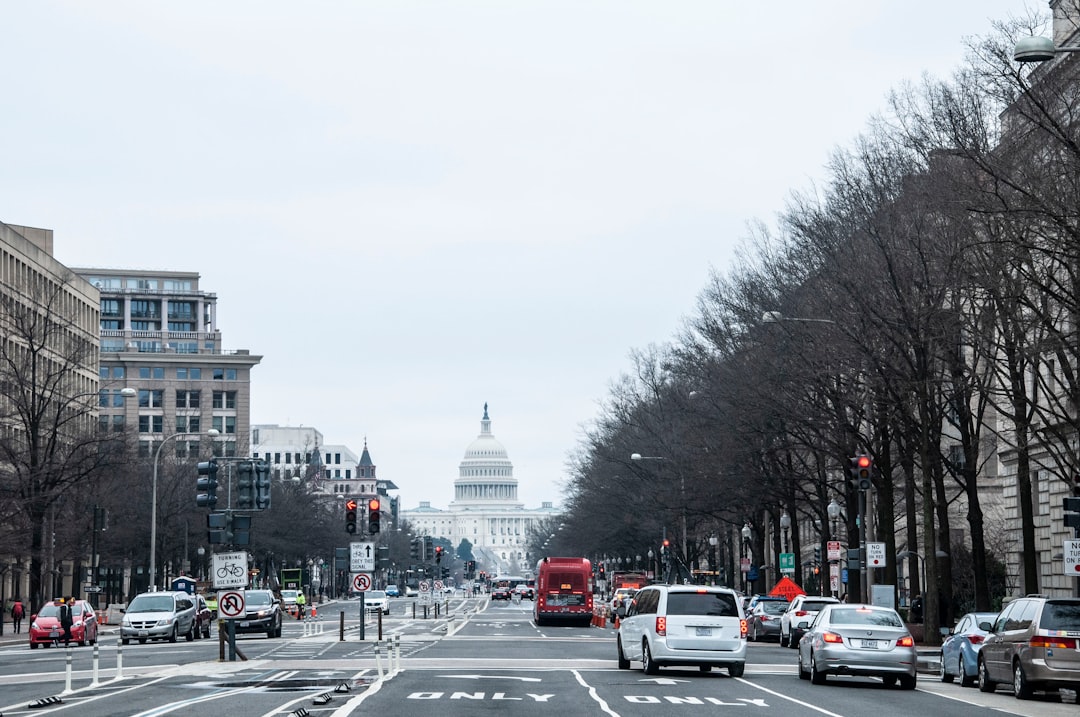
In Washington state, consumers enjoy protections under the Do Not Call laws, designed to curb telemarketing practices that can be invasive and unwanted. These laws empower residents to take control of their phone lines, limiting the number of unsolicited calls they receive. Understanding your rights under these regulations is essential, especially with the proliferation of telemarketers targeting both landlines and mobile numbers. Washington’s Do Not Call list has been instrumental in reducing excessive marketing calls, offering a simple yet powerful solution for those tired of unwanted sales pitches.
According to recent data from the Federal Communications Commission (FCC), violations of Do Not Call rules are not uncommon, with numerous complaints received annually regarding telemarketers ignoring these legal restrictions. In 2021, Washington state reported one of the highest rates of such violations in the nation, highlighting the need for increased awareness and enforcement. Consumers who find themselves on the receiving end of illegal telemarketing calls can take action by reporting these incidents to the appropriate authorities, including the Washington State Attorney General’s office or the FCC. This proactive measure not only helps protect others but also serves as a deterrent for potential violators.
Do Not Call lawyers in Washington play a pivotal role in safeguarding consumer rights and ensuring compliance with state regulations. These legal experts can guide individuals through the process of reporting violations, providing valuable insights into their legal options. Reporting such incidents is straightforward; consumers simply need to provide details of the calls, including dates, times, and any relevant information about the caller. This data is used to investigate and take appropriate action against violators, who may face fines for each offense. By exercising their rights, Washington residents can contribute to a more compliant telemarketing industry and enjoy a quieter, less intrusive phone experience.
The Impact of Reporting on Consumer Protection
The act of reporting telemarketing violations plays a pivotal role in safeguarding consumer rights and fostering a more transparent market environment. In Washington state, where privacy laws are stringent, reporting such infringements is not merely an individual right but a collective responsibility. When consumers take the initiative to document and report unlawful telemarketing practices, it triggers a series of positive outcomes focused on enhancing consumer protection.
For instance, a recent study revealed that states with robust do-not-call registry programs, often bolstered by citizen reporting, witnessed a 25% decrease in consumer complaints related to telemarketing over the past year. This substantial drop underscores the impact of collective action—each reported violation contributes to a larger data set, enabling regulators and law enforcement to identify patterns and take targeted measures against persistent offenders. Furthermore, proactive reporting discourages potential violators by signaling the presence of a vigilant consumer base.
The benefits extend beyond statistical improvements. Reporting telemarketing violations can lead to more effective legal action against unscrupulous businesses or individuals. In Washington, where Do Not Call lawyers are readily available, consumers have additional recourse if their rights are violated. However, direct reporting to relevant authorities expedites the process, ensuring timely intervention and potentially deterring similar incidents in the future. This proactive approach not only protects individual consumers but also serves as a powerful tool for regulatory bodies to monitor and regulate telemarketing activities, ultimately shaping more ethical business practices.